Short, powerful problems
Climb close to the ground over crash pads. The focus is movement, problem solving and precise spotting.
A practical field guide
Learn the language, choose your discipline, assemble the right kit and build habits that make every day on rock more considered.
Rock climbing is a family of disciplines rather than one activity. Start indoors or with a qualified instructor, then let the kind of movement—and the level of commitment—you enjoy shape where you go next.
Climb close to the ground over crash pads. The focus is movement, problem solving and precise spotting.
Follow bolted routes using quickdraws and a rope. Sport climbing lets you concentrate on sustained movement.
Build protection with removable gear. Judgement, route finding and anchor craft matter as much as strength.
Combine climbing with navigation, weather reading and efficient systems in a more committing environment.
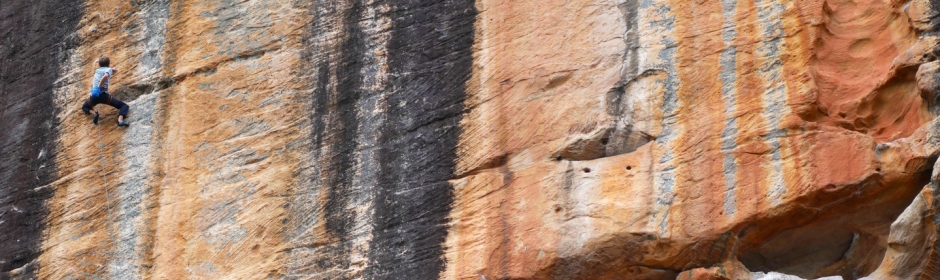
The climber's mindset
Good climbing starts with observation. Look for the line, the holds and the places where you can pause. Check the landing or protection, agree calls with your partner and rehearse what happens if the plan changes.
Confidence grows from repeatable systems—not from pretending the risk is not there.
Every venue is different. Use this as an orientation, not a universal packing list. Inspect equipment before use, retire damaged gear and learn safety-critical systems from a competent instructor.
Planning reduces rushed decisions at the crag. Conditions, access rules and partner experience should shape the objective—not the other way around.
Match the grade, rock type, approach and commitment to the whole group. Have an easier alternative nearby.
Read the forecast, daylight window and seasonal restrictions. Some rock needs time to dry after rain.
Discuss calls, belay method, lowering or abseiling, navigation and the turnaround point before leaving the ground.
Use durable paths, avoid vegetation, keep noise low, pack out waste and follow local access guidance.
Yes. Climbing walls and instructors commonly provide rental equipment. It is a useful way to try the sport and learn what fits before buying.
An indoor wall offers a controlled introduction to movement and basic rope systems. For your first outdoor session, go with a qualified instructor or an experienced, trusted mentor.
You do not need exceptional strength to begin. Footwork, balance and relaxed movement often matter more. Start on easy terrain and allow recovery time.
Climbing involves real hazards, including falls, rockfall, weather and equipment error. Training, partner checks, appropriate equipment and conservative decisions help manage—but cannot remove—those risks.
Build your skills progressively, respect local ethics and leave the crag ready for the next climber.